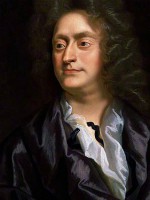
Dido and Aeneas, Z. 626
Opera in tre atti
Testo del libretto
| [Ouverture] | |
| ATTO PRIMO | |
| Scena prima | |
|
Il Palazzo. Entrano Didone, Belinda e seguito. |
|
| BELINDA | |
| Shake the cloud from off your brow, fate your wishes does allow. Empire growing,pleasures flowing, fortune smiles and so should you. |
Scuoti la nube dal tuo ciglio, Il fato adempie i tuoi voti: S’estende l’impero, abbondano i piaceri, La fortuna sorride, e tu pure dovresti. |
| CORO | |
| Banish sorrow, banish care, grief should ne’er approach the fair. |
Bandisci la tristezza, bandisci l’affanno Mai dovrebbe il dolore appressarsi alla beltà. |
| DIDONE | |
| Ah! Belinda, I am press’d with torment not to be confess’d, peace and I are strangers grown. I languish till my grief is known, yet would not have it guess’d. |
Ah! Belinda, sono oppressa Da un tormento che non so confessare. La pace è ormai straniera per me. Languisco fin che nota sia la mia angoscia Eppure non vorrei si indovinasse. |
| [Ritornello] | |
| BELINDA | |
| Grief increases by concealing. |
L’angoscia si accresce dissimulandola; |
| DIDONE | |
| Mine admits of no revealing. |
La mia non vuol che si riveli. |
| BELINDA | |
| Then let me speak; the Trojan guest into your tender thoughts has press’d; |
Ma lasciami parlare: l’ospite troiano È penetrato nei tuoi soavi pensieri. |
| SECONDA DONNA | |
| the greatest blessing Fate can give our Carthage to secure and Troy revive. |
La più lieta sorte che il fato può concedere Per rafforzar Cartagine, e far riviver Troia. |
| CORO | |
| When monarchs unite, how happy their state, they triumph at once o’er their foes and their fate. |
Quando i sovrani si alleano, qual felicità per i loro stati; Trionfano insieme sui loro nemici e sul loro destino. |
| DIDONE | |
| Whence could so much virtue spring? What storms, what battles did he sing? Anchises’ valour mix’d with Venus’ Charms, how soft in peace, and yet how fierce in arms! |
Donde potè nascere tanta virtù? Quali tempeste, quali battaglie non ci cantò? Il valore di Anchise misto alle grazie di Venere: Sì soave in pace, eppur sì fiero in armi! |
| BELINDA | |
| A tale so strong and full of woe might melt the rocks as well as you. |
Un racconto sì possente e colmo di sventure Fonderebbe le rocce, e anche te. |
| SECONDA DONNA | |
| What stubborn heart unmov’d could see such distress, such piety? |
Qual cuore ostinato assisterebbe impassibile A tanta pena, a tanta pietà? |
| DIDONE | |
| Mine with storms of case oppress’d is taught to pity the distress’d. Mean wretches’ grief can touch, so soft, so sensible my breast, But ah! I fear, I pity his too much. |
Il mio, oppresso dalle tempeste del fato, Apprese ad avere pietà della miseria; Il dolore dei miseri infelici sa toccare Con sì tenera, intensa forza il mio petto, Ma, ah!, temo di aver troppa pietà del suo. |
| BELINDA E SECONDA DONNA | |
| Fear no danger to ensue, the hero loves as well as you, ever gentle, ever smiling, and the cares of life beguiling, Cupid strew your path with flowers Gather’d from Elysian bowers. |
Non temer pericoli nel conquistarlo, L’eroe ama come tu ami. Sempre gentile, sempre sorridente, Dominando gli affanni della vita. Cupìdo cosparse i tuoi sentieri con fiori Raccolti nei luoghi ombrosi d’Eliso. |
| CORO | |
| Fear no danger to ensue, the hero loves as well as you, ever gentle, ever smiling, and the cares of life beguiling, Cupid strew your path with flowers Gather’d from Elysian bowers. |
Non temer pericoli nel conquistarlo, L’eroe ama come tu ami. Sempre gentile, sempre sorridente, Dominando gli affanni della vita. Cupìdo cosparse i tuoi sentieri con fiori Raccolti nei luoghi ombrosi d’Eliso. |
| (Entra Enea col seguito) | |
| BELINDA | |
| See, your royal guest appears, how godlike is the form he bears! |
Ecco, compare il tuo ospite regale; La sua bellezza è quella di un dio! |
| ENEA | |
| When, royal fair, shall I be bless’d with cares of love and state distress’d? |
Quando, bellezza regale, sarò felice, Afflitto qual sono da affanni d’amore e di stato? |
| DIDONE | |
| Fate forbids what you pursue. |
Lo vieta il fato quel che tu cerchi. |
| ENEA | |
| Aeneas has no fate but you! Let Dido smile and I’ll defy the feeble stroke of Destiny. |
Enea non ha altro destino che te! Se Didone sorride, io sfiderò L’iniquo colpo del destino. |
| CORO | |
| Cupid only throws the dart that’s dreadful to a warrior’s heart, and she that wounds can only cure the smart. |
Solo Cupido lancia frecce Terribili al cuor d’un guerriero, E sol chi ferisce, può lenire il dolore. |
| ENEA | |
| If not for mine, for Empire’s sake, some pity on your lover take; Ah! make not, in a hopeless fire, a hero fall, and Troy once more expire. |
Se non per me, almen per l’impero, Abbi un po’ di pietà del tuo amante: Ah! non far piombare un disperato ardore Un eroe, e Troia morire ancora una volta. |
| BELINDA | |
| Pursue thy conquest, Love; her eyes confess the flame her tongue denies. |
Prosegui nella tua conquista, Amore – i suoi occhi confessan la fiamma, che la sua lingua nega. |
| [Una danza: Ciaccona di chitarre] | |
| CORO | |
| To the hills and the vales, to the rocks and the mountains, to the musical groves and the cool shady fountains. Let the triumphs of love and of beauty be shown. Go revel, ye Cupids, the day is your own. |
Fra colline a valli, fra rocce e montagne, Fra boschetti risonanti e fonti fredde ombrose Si compiano i trionfi d’amore e di beltà; Tripudiate, o Amori; il giorno è vostro. |
| [La danza trionfale] | |
| ATTO SECONDO | |
| Scena prima | |
| La grotta Entra la maga |
|
| [Preludio delle streghe] | |
| MAGA | |
| Wayward sisters, you that fright the lonely traveller by night. Who, like dismal ravens crying, beat the windows of the dying, Appear! Appear at my call, and share in the fame of a mischief shall make all Carthage flame. Appear! |
Indocili sorelle, voi che atterrite Il solitario viandante nella notte, Voi che, urlando come lugubri corvi, battete alle finestre del morente, apparite al mio comando e condividete la gloria d’un misfatto che brucerà tutta Cartagine. Apparite! Apparite! |
| (Entrano le streghe) | |
| PRIMA STREGA | |
| Say, Beldam, say what’s thy will. |
Di’, Megera, di’, qual’è il tuo volere? |
| CORO | |
| Harm’s our delight and mischief all our skill. |
Il male è la nostra gioia, il misfatto tutta la nostra arte. |
| MAGA | |
| The Queen of Carthage, whom we hate, as we do all in prosp’rous state, ere sunset, shall most wretched prove, depriv’d of fame, of life and love! |
La regina di Cartagine che detestiamo, al par di chi abbia fortuna o potenza, prima del tramonto piomberà nella sventura, priva di gloria, di vita e amore. |
| CORO | |
| Ho, ho, ho, ho, ho, ho! | Ho ho ho! |
| PRIMA STREGA | |
| Ruin’d ere the set of sun? | Perduta prima del tramonto del sole? |
| PRIMA E SECONDA STREGA | |
| Tell us, how shall this be done? |
Di’ su, come avverrà tutto questo? |
| MAGA | |
| The Trojan Prince, you know, is bound by Fate to seek Italian ground; The Queen and he are now in chase. |
Il principe troiano, sapete, è costretto Dal fato a cercare l’Italo suolo; La regina e l’eroe ora sono a caccia. |
| PRIMA STREGA | |
| Hark! Hark! the cry comes on apace. |
Senti! giunge da presso il grido! |
| MAGA | |
| But, when they’ve done, my trusty Elf, in form of Mercury himself, as sent from Jove shall chide his stay, and charge him sail tonight with all his fleet away. |
Ma quando torneranno alla reggia, il mio fido folletto, Nelle sembianze di Mercurio Inviato da Giove, lo accuserà dell’indugio, E lo costringerà a salpare stanotte con tutta la flotta! |
| CORO | |
| Ho, ho, ho, ho, ho, ho! | Ho ho ho! |
| PRIMA E SECONDA STREGA | |
| But ere we this perform, we’ll conjure for a storm to mar their hunting sport and drive ‘em back to court. |
Ma prima di compiere questo, evocheremo una tempesta che guasti loro la caccia, e li spinga di nuovo alla corte. |
| CORO | |
| (al modo di un’eco) | |
| In our deep vaulted cell the charm we’ll prepare, too dreadful a practice for this open air. |
Nella nostra grotta profonda, l’incantesimo prepareremo, Un rito troppo orribile per questi luoghi ameni. |
| [Danza ad eco di Furie] | |
| (Tuoni e lampi, musica terribile. le Furie sprofondano nella grotta. gli altri si involano) | |
| Scena seconda | |
| Il boschetto | |
| [Ritornello] | |
| Entrano Enea, Didone, Belinda e il loro seguito | |
| BELINDA | |
| Thanks to these lonesome vales, these desert hills and dales, so fair the game, so rich the sport, Diana’s self might to these woods resort. |
Grazie a queste valli solitarie, A questi deserti colli e anfratti Buona è la caccia, copiosi i piaceri; Diana stessa frequenterebbe questi boschi. |
| CORO | |
| Thanks to these lonesome vales, these desert hills and dales, so fair the game, so rich the sport, Diana’s self might to these woods resort. |
Grazie a queste valli solitarie, A questi deserti colli e anfratti Buona è la caccia, copiosi i piaceri; Diana stessa frequenterebbe questi boschi |
| [Ground di chitarra] | |
| SECONDA DONNA | |
| Oft she visits this lone mountain, oft she bathes her in this fountain; here, Actaeon met his fate, pursued by his own hounds, and after mortal wounds discover’d, too late. |
Sovente ella visita questa solinga montagna, Sovente ella si bagna in questa fonte, Qui Atteone trovò la morte, Braccato dai propri cani, E per le mortali ferite Troppo, troppo tardi scoperte. |
| [Ritornello] | |
| [Danza delle donne di Didone per intrattenere Enea] | |
| ENEA | |
| Behold, upon my bending spear a monster’s head stands bleeding, with tushes far exceeding those did Venus’ huntsman tear. |
Vedi, sulla mia lancia piegata La testa sanguinante di un mostro, Con zanne ben più formidabili Di quelle che straziarono il cacciatore di Venere! |
| DIDONE | |
| The skies are clouded, hark! How thunder Rends the mountain oaks asunder. |
Il cielo s’annuvola: ascolta! come il tuono spezza le querce dei monti! |
| BELINDA | |
| Haste, haste to town, this open field no shelter from the storm can yield. |
Presto, presto in città! Questa aperta campagna non può dar riparo alla tempesta. |
| CORO | |
| Haste, haste to town, this open field no shelter from the storm can yield |
Presto, presto in città! Questa aperta campagna non può dar riparo alla tempesta. |
| (Escono – Scende lo spirito della Strega nelle sembianze di Mercurio) | |
| SPIRITO | |
| Stay, Prince and hear great Jove’s command; he summons thee this night away. |
Fèrmati, principe, e ascolta il comando del grande Giove: Egli ti chiama lungi da qui stanotte. |
| ENEA | |
| Tonight? | Stanotte? |
| SPIRITO | |
| Tonight thou must forsake this land, the Angry God will brook no longer stay. Jove commands thee, waste no more in Love’s delights, those precious hours, allow’d by th’Almighty powers. To gain th’Hesperian shore And ruined Troy restore. |
Stanotte devi lasciar questa terra, Il dio irato non sopporterà un più lungo indugio. Giove ti comanda, non consumare più oltre In piaceri d’amore queste ore preziose Concesse dalle forze onnipotenti Per raggiunger la sponda esperia e riedificare la distrutta Troia. |
| ENEA | |
| Jove’s commands shall be obey’d, tonight our anchors shall be weighed. |
Ubbidirò agli ordini di Giove, Stanotte si leveranno le ancore. |
| (Lo Spirito esce) | |
| what language can I try my injur’d Queen to Pacify: no sooner she resigns her heart, but from her arms I’m forc’d to part. How can so hard a fate be took? One night enjoy’d, the next forsook. Yours be the blame, ye gods! For I obey your will, but with more ease could die. |
Ma ah! che parole trovo, per placare la mia offesa regina? Ella m’ha appena donato il suo cuore Ma son costretto a strapparmi dalle sue braccia. Come si può sopportare una sì dura sorte? Goduta per una notte, abbandonata nell’altra. Vostra sia la colpa, o dèi! Ubbidisco alla vostra volontà, ma con più gioia morirei. |
| [Ritornello] | |
| ATTO TERZO | |
| Scena prima | |
| Le navi | |
| [Preludio] | |
| Entrano i marinai | |
| PRIMO MARINAIO | |
| Come away, fellow sailors, your anchors be weighing, time and tide will admit no delaying, take a boozy short leave of your nymphs on the shore, and silence their mourning with vows of returning but never intending to visit them more. |
Venite su, amici marinai, si levino le ancore, Tempo e marea non concedono indugi; Prendete un breve, ebbro commiato dalle vostre belle sulla riva E rasserenate il loro lutto Con la promessa del ritorno, Ma senza pensiero di più rivederle. |
| CORO | |
| Come away, fellow sailors, your anchors be weighing, time and tide will admit no delaying, take a boozy short leave of your nymphs on the shore, and silence their mourning with vows of returning but never intending to visit them more. |
Venite su, amici marinai, si levino le ancore, Tempo e marea non concedono indugi; Prendete un breve, ebbro commiato dalle vostre belle sulla riva E rasserenate il loro lutto Con la promessa del ritorno, Ma senza pensiero di più rivederle. |
| [Danza di marinai] | |
| (Entrano la maga e le streghe) | |
| MAGA | |
| See the flags and streamers curling, anchors weighing, sails unfurling. |
Ecco, garriscono insegne e pennoni, Si levano l’ancore, si spiegan le vele! |
| PRIMA STREGA | |
| Phoebe’s pale deluding beams gilding more deceitful streams. |
I pallidi, ingannevoli raggi di Febo Indorano le fallaci correnti. |
| SECONDA STREGA | |
| Our plot has took, the queen’s forsook. |
È riuscita la nostra congiura, La regina è abbandonata! |
| PRIMA E SECONDA STREGA | |
| Elissa’s ruin’d, ho, ho! Our plot has took, the queen’s forsook, ho, ho, ho! |
Elissa è perduta! oh oh! È riuscita la nostra congiura, La regina è abbandonata! Oh oh oh! |
| MAGA | |
| Our next motion must be to storm her lover on the Ocean! From the ruin of others our pleasures we borrow, Elissa bleeds tonight, and Carthage flames tomorrow. |
La nostra prossima mossa Sarà di assalire il suo amato sull’oceano. Troviamo la nostra gioia nell’altrui rovina; Elissa sanguinerà stanotte, e Cartagine brucerà domani! |
| CORO | |
| Destruction’s our delight, delight our greatest sorrow! Elissa dies tonight and Carthage flames tomorrow. Ha!ha! |
La distruzione è il nostro piacere, L’altrui piacere è il nostro maggior affanno, Elissa sanguinerà stanotte, E Cartagine brucerà domani! Ho ho ho |
| (Il fuoco fatuo trascina i marinai via dalle streghe) | |
| Scena seconda | |
| Il Palazzo | |
| [Danza delle streghe] | |
| Entrano Didone, Belinda e donne | |
| DIDONE | |
| Your counsel all is urged in vain, to Earth and Heaven I will complain! To Earth and Heaven why do I call? Earth and Heaven conspire my fall. To Fate I sue, of other means bereft, the only refuge for the wretched left. |
E inutile ogni tuo consiglio, Voglio lamentarmi con terra e cielo; Perché m’appello a terra e cielo? Terra e cielo cospirano alla mia rovina. Priva d’ogni altro rimedio, ricorro al destino, Il solo rifugio concesso agli infelici. |
| BELINDA | |
| See, Madam, see where the Prince appears; |
Ecco, signora, s’appressa il Principe! |
| (Entra Enea) | |
| such sorrow in his looks he bears, as would convince you still he’s true. |
Sì grande è l’affanno che porta nei suoi sguardi Da convincerti ch’è ancora fedele. |
| ENEA | |
| What shall lost Aeneas do? How, Royal Fair, shall I impart the God’s decree, and tell you we must part? |
Che farà il misero Enea? Come, mia bella regina, t’annuncerò Il decreto del dio, e ti dirò che dobbiam partire? |
| DIDONE | |
| Thus on the fatal Banks of Nile, weeps the deceitful crocodile; thus hypocrites, that murder act, make Heaven and Gods the authors of the fact. |
Come sulla fatale sponda del Nilo Piange il falso coccodrillo, Così gli ipocriti, rei d’assassinio, Chiaman cielo e dèi responsabili del fatto! |
| ENEA | |
| By all that’s good ... | Per tutto quel bene… |
| DIDONE | |
| By all that’s good, no more! All that’s good you have forswore. To your promis’d empire fly and let forsaken Dido die. |
Per tutto quel bene… non più! A tutto quel bene tu fosti spergiuro. Vola al tuo promesso impero, E lascia morire l’abbandonata Didone. |
| ENEA | |
| In spite of Jove’s command, I’ll stay, offend the Gods, and Love obey. |
Ad onta del comando di Giove, io resterò: oltraggio gli dèi, e ubbidisco ad Amore. |
| DIDONE | |
| No, faithless man, thy course pursue; I’m now resolv’d as well as you. No repentance shall reclaim The injur’d Dido’s slighted flame, for ‘tis enough, what’er you now decree, that you had once a thought of leaving me. |
No, sleale, prosegui per la tua via, Ora io son risoluta come te. Nessun pentimento ridesterà L’amore disdegnato nell’offesa Didone, ché, qualunque sia ora la tua decisione, mi basta ch’una sola volta hai meditato di lasciarmi. |
| ENEA | |
| Let Jove say what he will: I’ll stay! |
Dica Giove quel che vuole, io resterò! |
| DIDONE | |
| Away, away! No, no, away! |
Via, via! No, no, via, |
| ENEA | |
| No, no, I’ll stay, and Love obey! |
No resterò, e ubbidirò ad Amore! |
| DIDONE | |
| To Death I’ll fly if longer you delay; away, away!... |
Correrò alla morte se ancora tu indugi. Via, via! |
| (Enea esce) | |
| But Death, alas! I cannot shun; Death must come when he is gone. |
Ma la morte, ahimè! non posso evitarla: La morte deve giungere quando egli è partito. |
| CORO | |
| Great minds against themselves conspire, and shun the cure they most desire. |
I nobili cuori rovinan se stessi, E fuggono il rimedio che più bramano. |
| DIDONE | |
| Thy hand, Belinda, darkness shades me. On thy bosom let me rest, more I would, but Death invades me; Death is now a welcome guest. When I am laid in earth, May my wrongs create no trouble in thy breast; remember me, but ah! forget my fate. |
La tua mano, Belinda; le tenebre mi fan velo, Lascia ch’io riposi sul tuo seno; Di più vorrei, ma la morte mi assale; Ora la Morte è un’ospite gradita. Quando distesa sarò nella terra, i miei mali non suscitino Alcun tormento nel tuo petto. Ricòrdati di me! ma, ah! dimentica la mia sorte! |
| [Ritornello] | |
| (Fra le nubi appaiono gli Amori sopra la tomba) | |
| CORO | |
| With drooping wings you Cupids come, and scatter roses on her tomb, soft and Gentle as her heart. Keep here your watch, and never part. |
Con ali abbassate, o Amori, venite, E sulla tomba spargete rose Morbide e delicate come il suo cuore; Vegliate qui, e mai v’allontanate. |
| [Danza di Amori] | |
I testi riportati in questa pagina sono tratti, prevalentemente, da programmi di sala di concerti
e sono di proprietà delle Istituzioni o degli Editori riportati in calce alle note.
Ogni successiva diffusione può essere fatta solo previa autorizzazione da richiedere direttamente agli aventi diritto.
Ogni successiva diffusione può essere fatta solo previa autorizzazione da richiedere direttamente agli aventi diritto.
Ultimo aggiornamento 28 dicembre 2020